
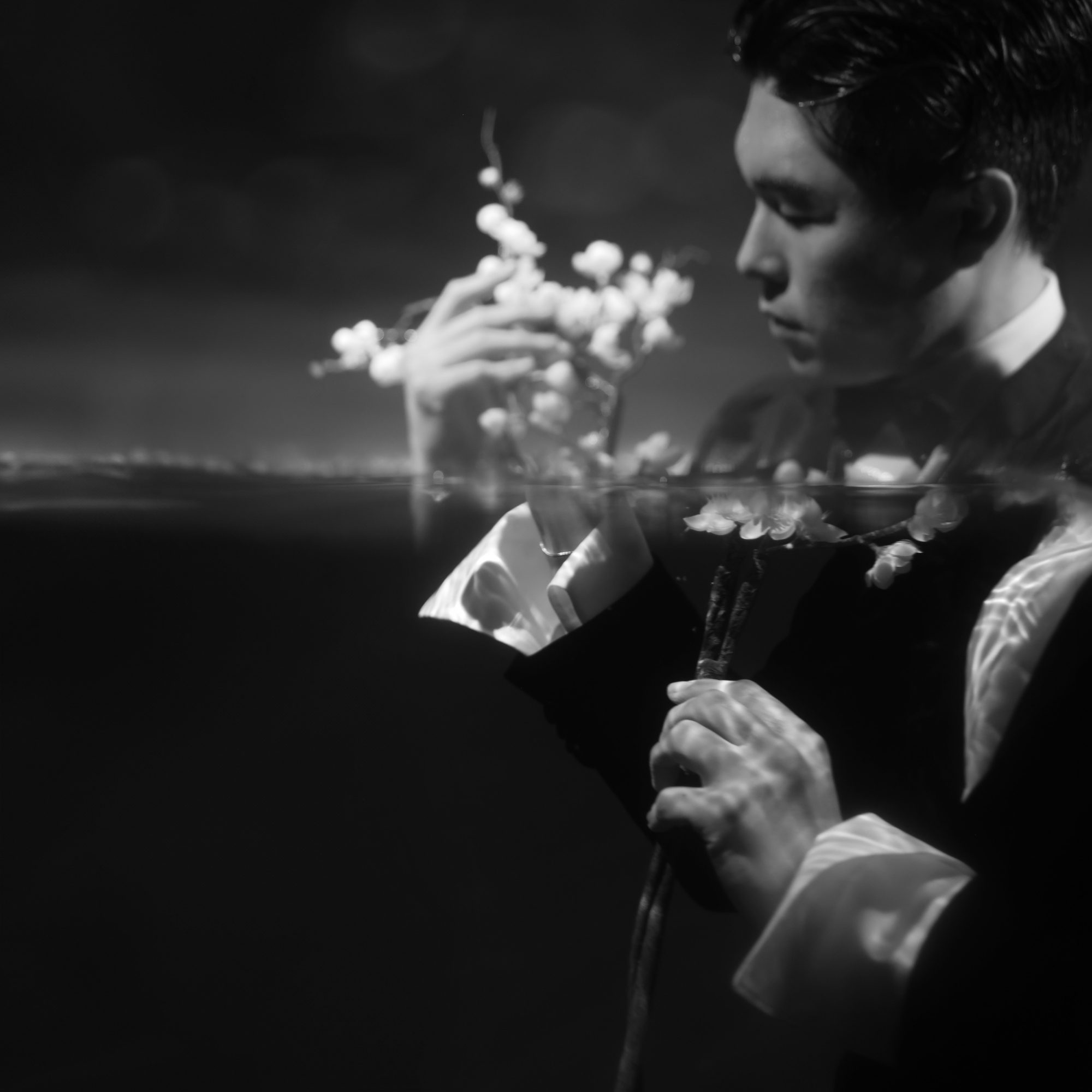
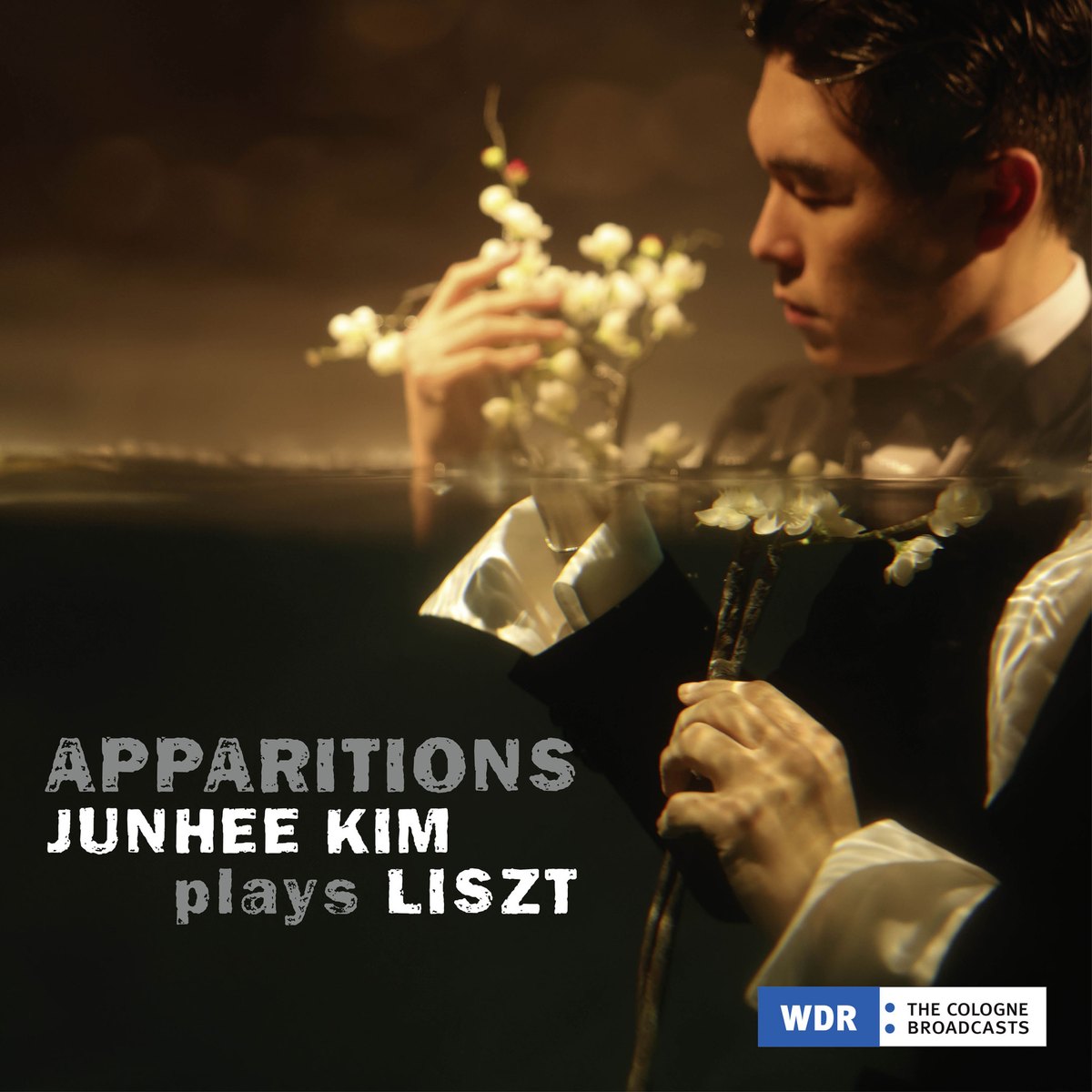
There is a particular weight to a debut on Deutsche Grammophon. The yellow label has carried the recorded legacy of the piano for over a century — from Wilhelm Kempff to Martha Argerich to the young artists it chooses, carefully, to introduce to the world. On July 26, 2024, in partnership with the label CAvi-music, Junhee Kim joined that lineage with APPARITIONS: eleven works, just over seventy minutes, devoted entirely to Franz Liszt.
To build a first international statement around a single composer is a bold choice. It refuses the safety of variety — no survey of crowd-pleasers across three centuries, no hedging. Instead, Kim stakes the album on a claim: that he has something to say about Liszt that has not yet been said, and that the way to prove it is not through the fireworks everyone expects, but through the whole man.
Since that time, the meaning of being a pianist has changed completely.Junhee Kim
The album's eleven tracks are sequenced to move between extremes, and the contrast is the point. Intimate miniatures — the Valse-Impromptu, the aching Romance oubliée, the shadowed Trübe Wolken — sit alongside the blazing display of La Campanella and the sardonic Mephisto Polka. Near the center stands the Saint-Saëns Danse macabre, in the ferocious arrangement by Liszt and Vladimir Horowitz — a deliberate nod to one of the pianists Kim counts among his idols.
The record closes where its title points: Apparitions, S. 155, one of Liszt's spectral late works, music that seems to dissolve as you listen to it. It is a fitting last word for an album preoccupied with the things beneath a composer's surface — the ghosts, the doubts, the inner life that virtuosity so often hides.
His astonishing artistic sensibility, reflected in a miniature kaleidoscope of works from each of Liszt's avant-garde periods, goes far beyond the boundaries of tradition.Karsten Dürer · ECHO Klassik jury, founder of Staccato
What binds the recording together is a sensibility that reaches back past Liszt entirely, to Kim's own roots. His playing is shaped by Korea's Seonbi tradition — the ideal of the scholar-gentleman who prizes discipline, ethics, and inner refinement over outward display. It gives even his most expressive playing a structural clarity, a sense of restraint holding great feeling in check.
On APPARITIONS, he goes further still, approaching Liszt through the lens of Korean shamanism — hearing, in European Romanticism, an echo of Asian spiritual traditions, a music that summons and communes rather than merely performs. It is an unlikely bridge, and it is exactly the kind of connection that makes the album feel like the work of a specific mind rather than a generic talent.
Jun-Hee Kim has a marked sense of fantasy and sound. His performance of Beethoven is completely his own and highly mature. It is unbelievable for a seventeen-year-old boy to understand Beethoven's pathos so deeply.Kun-Woo Paik · Pianist
Recorded with WDR in Cologne and released under the most storied name in classical recording, APPARITIONS is both a debut and a thesis — the first full statement of a pianist who has decided, after years of proving what his hands can do, to show instead what his mind can hear. It is not a young musician's bid for attention, but something rarer: an invitation to listen more closely, to a composer many think they already know, and to an artist whose work is only beginning.
He plays with extreme concentration and is already on an accomplished level of professional musician even at his age.Aldo Ciccolini · Jury Foreman, Long-Thibaud Competition